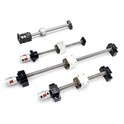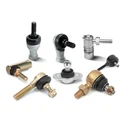

Daily Maintenance Guide for Ball Screw Nut Brackets (Nut Housing)
The nut bracket (also called nut housing or flange mount) connects the ball screw nut to the moving table, transmitting linear thrust. Loose mounting bolts or a deformed mounting surface can cause misalignment of the screw, leading to premature wear or even shaft fracture. Proper daily maintenance significantly extends the service life of the linear motion system.
1. Fastener Inspection & Torque RetighteningCheck and retighten the mounting bolts between the nut housing and the worktable, as well as those securing the nut inside the housing, every 500–1000 operating hours or weekly in high-vibration conditions. Typical torque: M8 ≈ 15–20 N·m, M10 ≈ 25–30 N·m. Apply thread-locking adhesive. Replace elongated or stripped bolts immediately to avoid misalignment.
Although the housing itself doesn't roll, ensure the grease nipple on the nut is unobstructed and the wiper seals at both ends of the nut are intact. Visually inspect daily for cracked or dislodged seals-replace if damaged to block chips and coolant. Regrease the nut with lithium-based grease every 3–6 months; jog the axis through full stroke after greasing for even distribution
Monthly, use a dial indicator to check axial play of the nut/housing assembly and radial runout of the screw (preferably ≤0.01mm/m). During operation, listen for abnormal vibration or squeal, and check temperature-rise should not exceed 20℃ above ambient. If abnormal noise, overheating, or degraded positioning accuracy occurs, inspect the flatness of the nut housing mounting surface and the condition of the screw support bearings.
After shutdown, wipe the nut housing with a lint-free cloth to remove oil and dust-avoid caustic cleaners. In humid or corrosive environments, stainless steel or nickel-plated housings are recommended. For long idle periods, apply rust-preventive oil and cover; remove old oil and regrease before restarting
This article provides a detailed guide to the daily maintenance methods for nut seats.
The first task of daily care is to keep the nut seat clean. During the operation of the equipment, the nut seat is prone to accumulate dust, oil and other impurities, which will accelerate the wear of the nut seat and even cause failures. Therefore, the nut seat should be wiped regularly with detergent and cotton cloth to ensure that its surface is clean and free of dirt.
Lubrication is an indispensable part of daily care for the nut seat. Proper lubrication can reduce the friction between the nut seat and the connector, reduce the degree of wear, and improve the operating efficiency of the equipment. When selecting a lubricant, you should choose a suitable lubricant according to the material and working environment of the nut seat to avoid corrosion or poor lubrication caused by the use of inappropriate lubricants.
In addition, regular inspection of the tightness of the nut seat is also an important part of daily care. Looseness may cause unstable equipment operation or even safety accidents. Therefore, the tightening of the nut seat should be checked regularly with tools such as torque wrenches to ensure that it is tightened in place.
In daily use, the nut seat should also be protected from excessive impact and vibration. Excessive impact and vibration may cause the nut seat to deform or be damaged, affecting its normal use. Therefore, during the installation and operation of the equipment, necessary shock-absorbing measures should be taken to ensure the stable operation of the nut seat.
Through the above measures, the service life of the nut seat can be effectively extended and the operating efficiency of the equipment can be improved. As an important part of equipment maintenance, the daily care of the nut seat cannot be ignored.